
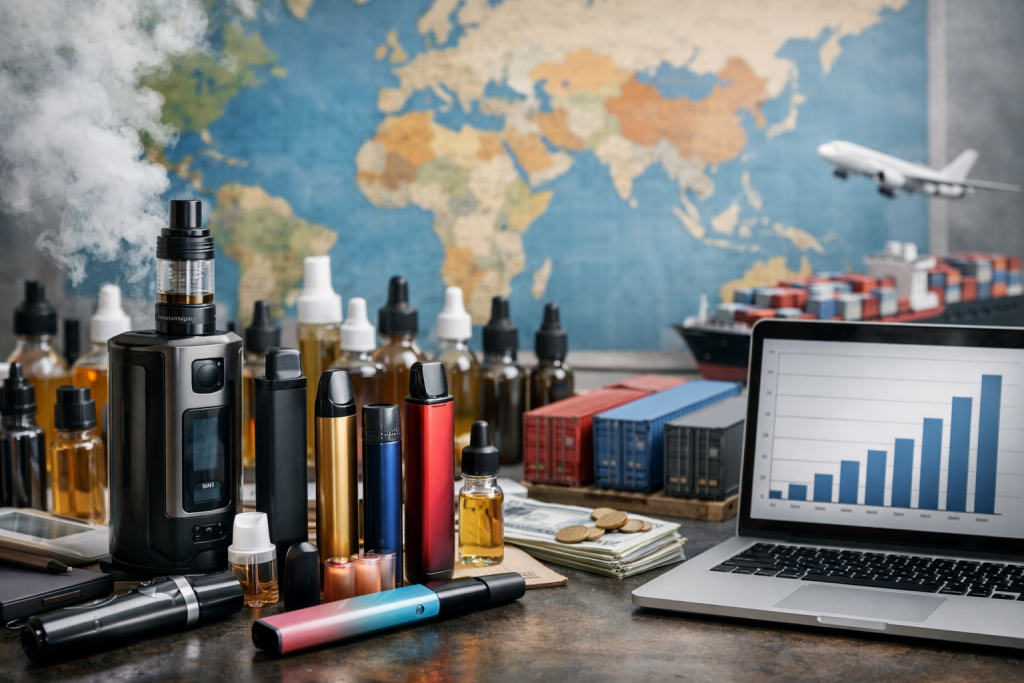
Vaping has become a global phenomenon over the past decade. Millions of users around the world have embraced it. The rise of vaping reveals shifts in lifestyle choices and trends. This blog explores the reasons behind vaping’s market dominance. We’ll look at its popularity, technological advancements, and cultural impact. You’ll learn how vaping went from niche to mainstream. From youth culture to adult relaxation, vaping resonates globally. Whether you’re curious or a user, this guide explains it all. Here is how vaping shaped the global market.
The Evolution of Vaping
Vaping started as an alternative to traditional smoking. Early devices, like e-cigarettes, mimicked cigarettes in form and function. These products appealed to people trying to quit smoking. Over time, vaping devices evolved in design and performance. Modern vapes deliver smoother, customizable experiences for users.
By the late 2010s, vaping gained mainstream attention. Brands innovated by introducing sleek devices and wide e-liquid options. Advanced mods allowed users to tweak wattage and airflow. Features like pod systems and disposable vapes made vaping more accessible. The industry grew rapidly, offering better flavors, portability, and convenience.
Social Media and Vaping
Vaping found early popularity with younger audiences. Flashy designs and flavorful e-liquids grabbed their attention. Unlike cigarettes, vaping seemed modern and less stigmatized. Social media played a huge role in spreading awareness. Platforms like Instagram and TikTok showcased vaping tricks and reviews.
Brands leveraged social media trends to market products. You’ll often come across ads like how this vape company provides a range of fruity-flavored vape devices filling up your feed. Without a doubt, vapes have become status symbols in certain social groups. Their compact designs allowed easy use at parties, schools, and events. This fusion of culture and marketing helped boost vaping’s appeal.
Technological Advancements Fuel Growth
Technology transformed vaping into a high-tech industry. Devices now have features like temperature control and leak-proof systems. Smart chips regulate performance, ensuring consistent draws and power savings. Some vapes even connect to apps for tracking usage.
Refillable pod systems simplified the vaping process. Users could easily switch between flavors or nicotine strengths. Innovations also made devices safer with built-in protection mechanisms. Disposable vapes improved convenience for on-the-go users.
Market Value and Global Expansion
Vaping turned into a multi-billion-dollar industry. Its growth spread across regions, including Asia, Europe, and America. China became a manufacturing hub for vape products. Companies capitalized on demand to export supplies worldwide.
Western countries like the U.S. embraced vaping as a lifestyle trend. E-liquid brands created localized flavors to attract global audiences. Examples include dessert flavors in the U.S. and tea-inspired ones in Asia. Vaping shops multiplied, catering to growing demand.
Regulations and Consumer Awareness
Governments introduced regulations as vaping gained popularity. Some banned certain flavors to curb youth appeal. Others imposed taxes and advertising restrictions. Despite this, consumer demand remained strong in regulated markets.
Campaigns highlighting health and safety built consumer trust. Many saw vaping as less harmful than smoking. Users appreciated the option to control nicotine levels. This awareness expanded vaping into health-conscious demographics.
Cultural Shifts and Acceptance
Vaping shifted from niche to socially accepted behavior. Unlike traditional smoking, it carries less environmental stigma. Public spaces often accept vaping where smoking is restricted. This social acceptance made it easier for users to transition.
Furthermore, vaping shows its appeal across cultures. For example, in Europe, vaping cafés emerged as social hubs. Meanwhile, in the U.S., it blends into wellness lifestyles.
Vaping in the Entertainment Industry
Entertainment media boosted vaping’s visibility worldwide. Movies and TV shows started featuring characters who vape. Music artists collaborated with vape brands for promotions. These appearances helped normalize vaping to large audiences.
One example is celebrity endorsements by popular singers or actors. They featured in vape ads, targeting specific demographics.
Challenges the Industry Faces
Despite its success, vaping faces challenges. Anti-vaping campaigns question health claims and youth targeting. Some countries banned sales altogether to protect younger consumers. There’s also concern about counterfeit products entering markets. These issues create hurdles to long-term growth.
The Future of Vaping
Vaping’s dominance reflects shifts in global market preferences. The industry’s growth combines innovation, adaptability, and cultural appeal. Whether you’re vaping for relaxation or as a smoking alternative, the variety is endless. With rising trends and technological advancements, vaping’s influence will likely grow. Its global impact shows no signs of slowing down.